
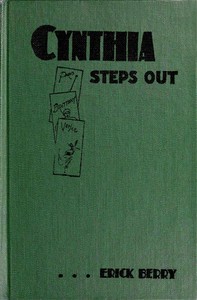
Cynthia Steps Out by Erick Berry
Erick Berry's 'Cynthia Steps Out' isn't just a historical novel—it's a getaway car for a brilliant mind. Published in 1940 but set in the pre-WWI era, it captures a specific moment when the world was changing, but opportunities for women were still painfully narrow.
The Story
We meet Cynthia, sharp and full of ideas, but trapped by the expectations of her small-town life. Her brothers get to chase their dreams at university; she's told to wait for a suitable husband. Frustrated and seeing no other path, Cynthia makes a radical decision. She chops off her hair, dons her brother's discarded suit, and reinvents herself as 'Cynth,' a young man heading to the city to study. The heart of the story follows her double life: navigating classes, making friends (who have no idea who she really is), and living in constant fear of a slipped pronoun or a familiar gesture giving her away. It's a tense, page-turning look at the sheer effort and courage it takes to live a lie for a chance at truth.
Why You Should Read It
What grabbed me wasn't just the clever plot, but Cynthia herself. Her anxiety feels real, her triumphs are exhilarating, and her loneliness is palpable. Berry doesn't make it easy for her. The book quietly asks big questions about identity, freedom, and the price of ambition. It's fascinating to see which parts of herself Cynthia has to hide and which parts she discovers while wearing a disguise. You're not just rooting for her to succeed in school; you're rooting for her to survive as herself.
Final Verdict
This is a hidden gem for anyone who loves character-driven historical fiction with a dash of suspense. It's perfect for readers who enjoyed the secret-identity tension of Yentl or the rebellious spirit of Anne of Green Gables, but wanted a grittier, more daring twist. While written decades ago, Cynthia's fight for her place in the world still rings powerfully true today. A compelling, insightful read about one girl's incredible gamble for her future.
This is a copyright-free edition. Thank you for supporting open literature.
Margaret Anderson
11 months agoWow.